Summer Home
Massachusetts Summer Home Maintenance Checklist (2026)
A practical Massachusetts summer home maintenance checklist for 2026 covering AC, humidity, roofs, decks, gutters, and yard pests in older homes.
In This Article
Massachusetts Summer Home Maintenance Checklist (2026)
Summer in Massachusetts hits different than the brochures suggest. One week it's a perfect 78 on the Cape, and the next a humid heat wave parks itself over Boston and won't leave for five days. If your house is going to handle July and August without surprises, you need to get ahead of it now. This summer home maintenance checklist is built specifically for the way we live here, in older housing stock, triple-deckers, coastal towns, and neighborhoods where central AC is the exception, not the rule.
Run through these tasks over a couple of weekends and you'll save yourself the worst of it.
Get Your Cooling Sorted Before the First Heat Wave
A lot of Massachusetts homes cool off with window units and mini-splits, not ducted central air. That means the work falls on you.
Pull your window units out of storage and check them now. Clean or replace the filters, wipe down the coils, and make sure the drainage isn't clogged. A unit that sat in a damp basement all winter can grow mold on the filter, and you do not want that blowing into a bedroom.
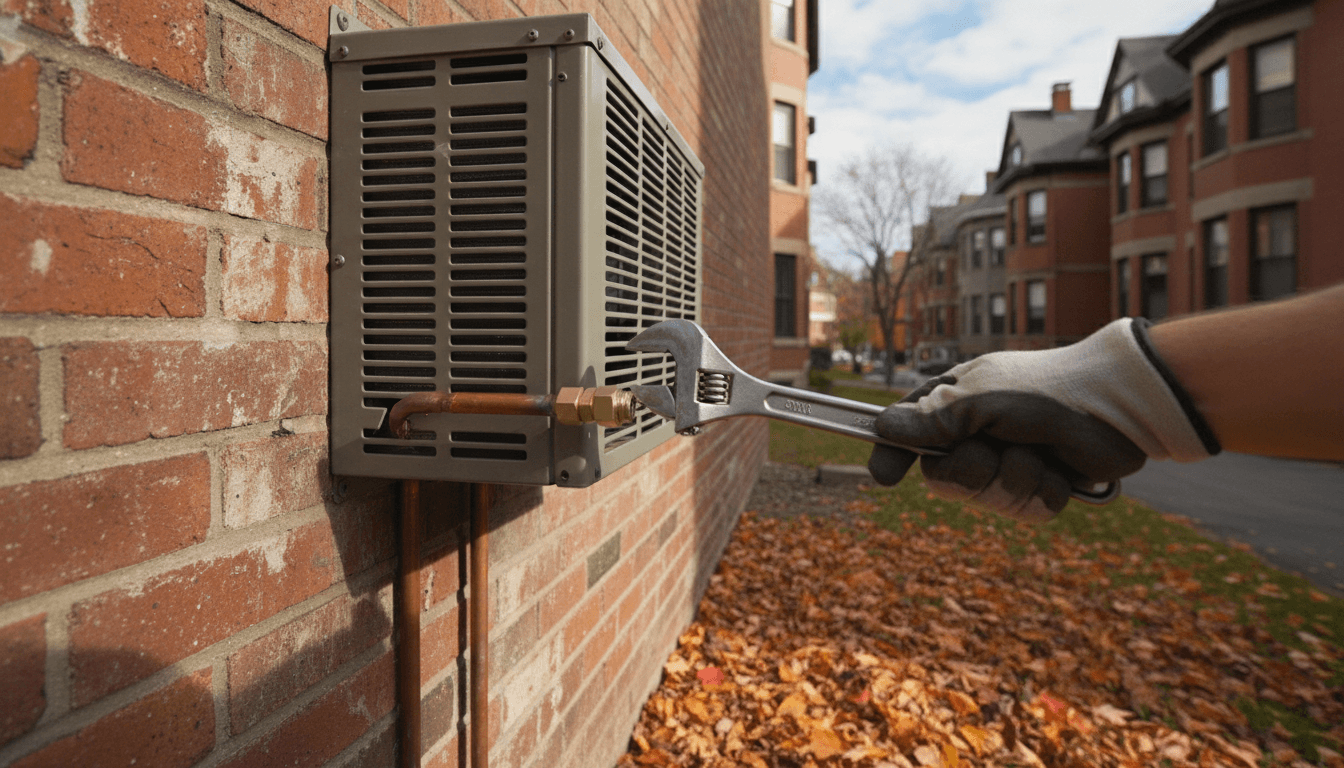
If you run mini-splits, clean the filters and check that the outdoor condenser isn't buried in leaves or mulch. Mini-splits lose efficiency fast when the coils are dirty. If yours hasn't been serviced in a couple of years, or it's short-cycling and not keeping up, book heating and HVAC pros before the rush. Once the first 90-degree stretch hits, every cooling company in Worcester and Boston is booked solid for a week.
Heat island effect is real in the denser parts of Boston, Somerville, and Cambridge. Pavement and brick hold heat overnight, so your upper floors stay warm long after sunset. Window units in the bedrooms and a couple of good fans to move air make a bigger difference than people expect.
Deal With Humidity Before It Becomes a Mold Problem
Coastal and low-lying Massachusetts homes fight humidity all summer. The South Shore, the Cape, anywhere near the water, you feel it in the basement first.
Run a dehumidifier in the basement and empty it or set up a drain hose. Aim for somewhere around 50 percent relative humidity. Anything higher and you're inviting mildew on stored boxes, musty smells, and warped wood.
Check the basement and crawlspace for damp spots, white mineral staining on the foundation, or that telltale musty smell. Catch it early and it's a dehumidifier fix. Ignore it and it becomes a remediation bill.
In older triple-deckers, make sure bathroom and kitchen exhaust fans actually vent outside and not just into the wall cavity. Trapped moisture in these homes is how rot starts.
Take Care of the Roof, Gutters, and Exterior
Winter is rough on Massachusetts roofs. Ice dams, freeze-thaw cycles, and wind all take a toll, and summer is your window to fix what got damaged before fall storms roll in.
Walk around the house and look up. Missing or curled shingles, damaged flashing around chimneys, and sagging gutters are all worth addressing now. If you spot anything questionable, get a roofer out for an inspection. A small repair in June is a lot cheaper than water in the ceiling come November.
Clean your gutters even though the leaves are gone. Spring brings seeds, pollen, and maple helicopters that clog downspouts. Summer thunderstorms drop a lot of water fast, and gutters that overflow against the foundation lead straight back to that basement humidity problem.
While you're outside, look at the wood. New England summers are short, so this is prime season for exterior upkeep.
Protect Decks, Porches, and Wood Trim
Decks and porches take a beating from snow and salt all winter. Now's the time to inspect.
Check the boards for soft spots, popped nails or screws, and loose railings. Triple-deckers especially have stacked porches that carry real weight, so wobbly railings are a safety issue, not a cosmetic one.
If your deck hasn't been sealed or stained in a couple of years, do it during a dry stretch. The humidity here means you want bare wood protected before it soaks up moisture and starts to gray and split.
Don't forget window trim and clapboards. Scrape and touch up peeling paint before the wood underneath gets exposed to summer rain.
Stay Ahead of Yard Pests and Overgrowth
Massachusetts summers bring ticks, mosquitoes, and carpenter ants, and the yard is where it starts.
Keep the grass cut and trim back brush, especially where the lawn meets woods or stone walls. Ticks love that tall transition zone, and Lyme disease is a genuine concern across the state, not just out in the western counties.
Knock down standing water. Empty saucers under planters, flip over buckets, and clear clogged gutters that hold water. Mosquitoes breed in surprisingly small amounts of water, and the EEE risk in parts of central and southeastern Massachusetts makes this worth doing.
Trim tree limbs and shrubs away from the house. Branches touching the roof or siding give carpenter ants and squirrels an easy bridge inside.
Check the Small Stuff That Saves You Money
A few quick wins while you're at it.
Reverse your ceiling fans to spin counterclockwise so they push air down. Swap or clean window screens so you can open up on cool nights instead of running the AC. Test the sump pump by pouring a bucket of water into the pit and confirming it kicks on. Check that outdoor hose bibs aren't dripping now that they're back in use.
The Takeaway
You don't have to do all of this in one weekend. Start with cooling and humidity since those bite first, then work through the roof, deck, and yard over June and July. The whole point of a summer home maintenance checklist is catching small problems while they're cheap, before a heat wave or a thunderstorm turns them into emergencies. Tackle a few items each weekend, line up the pros early before everyone else does, and your Massachusetts home will coast through summer in good shape.