pest-control
How to Choose the Best Pest Control Company in Massachusetts (2026) Without Overpaying for a Contract
How to choose the best pest control company in Massachusetts in 2026: MDAR licensing checks, multi-unit rules, tick and carpenter ant work, contract traps.
In This Article
- Start With the Pest You Have, Not the Company Name
- How Massachusetts Licenses the People Doing the Work
- Triple-Deckers, Condos, and Shared Walls
- Tick Work Is a Separate Purchase
- Carpenter Ants Follow Water, So Fix That First
- Reading the Agreement, the Guarantee, and the Renewal Price
- Frequently Asked Questions
How to Choose the Best Pest Control Company in Massachusetts (2026) Without Overpaying for a Contract
Every pest control company in the state pitches roughly the same three things: a quarterly plan, an annual plan, and a one time treatment. On paper the offers look interchangeable. What separates a good company from a mediocre one here is whether they understand a hundred year old wood frame house in a New England climate.
The pest calendar in this state is short and sharp. Carpenter ants swarm indoors in April, mice push in on the first hard nights of October, and deer ticks stay active any day the ground is not frozen. A company selling a year round German roach program to a suburban single family owner is selling something that house does not need.
Budget matters too. Quarterly service on an average single family home runs about $150 to $250 per visit, with a heavier first treatment of $200 to $450 because that visit has to reset a population. Offers far below that usually carry a short introductory term and a steep renewal price.
Start With the Pest You Have, Not the Company Name
A general plan in Massachusetts covers ants, spiders, silverfish, earwigs, crickets, and the occasional wasp nest. It does not cover mice exclusion, termites, ticks, bed bugs, wildlife in the attic, or in many cases carpenter ants. Owners find that out on the phone call after the squirrel arrives.
Ask for the exclusion list in writing before you sign anything. The list tells you more about the company than the sales script does, and it lets you compare two quotes that otherwise look identical. A firm that hesitates to put it on paper is telling you how the first dispute will go.
Company size matters in a way most reviews never mention. Owner operated shops in this market tend to do better work on carpenter ants and rodent exclusion because those jobs reward time spent crawling around a foundation. National brands tend to be stronger on termite bonds, since a warranty is only as good as the balance sheet behind it.
There is no single best company for a whole state this varied. A three family in Somerville, a saltbox in Concord, and a shingled cottage on the Cape generate different problems and reward different specialties. Hire for the problem in front of you.
How Massachusetts Licenses the People Doing the Work
The Massachusetts Department of Agricultural Resources runs the pesticide program under the state Pesticide Control Act. Anyone applying pesticides for hire must hold a current MDAR license or certification, and structural pest control is its own category rather than a general credential. The technician standing in your basement is either a certified applicator or a licensed applicator working under one.
Verification takes a few minutes and almost nobody does it. Ask for the individual's license number rather than the company name, then check it against the state's records. A company operating with an expired credential is also a company whose insurance may not respond to a claim.
Wildlife work sits under a different agency entirely, which surprises most homeowners. Trapping and removing raccoons, squirrels, skunks, or bats requires a Problem Animal Control agent permit issued through MassWildlife. A pest control license alone does not authorize that work, so ask directly if you hear scratching overhead.
What to Confirm Before the First Visit
Get the certificate of general liability insurance sent from the agency rather than forwarded as a PDF by the salesperson. Confirm the technician assigned to your house is the one whose credential you checked. Ask what happens if that person leaves mid contract.
Pin down the re-service policy in the same conversation. Strong plans include free return visits between scheduled treatments when something comes back, and weak ones charge a service call every time. That single line item changes the real annual cost more than the quoted price does.
Triple-Deckers, Condos, and Shared Walls
Multi-family housing is the reason so many Massachusetts pest jobs fail. Mice and German roaches travel through shared wall cavities, plumbing chases, and basement ceilings, so treating one unit while the neighbors do nothing produces a temporary result at full price. Any company that quotes a single unit in a three family without asking about the other two is guessing.
The building's ownership structure decides who can authorize what. In a condo, the trustees control common areas and the basement, which is usually where the actual harborage sits. Owners should get the association involved early, because a unit owner cannot approve treatment in a space they do not control.
Renters have more leverage here than they realize. Under the state sanitary code, the owner of a building with two or more units is responsible for extermination of insects and rodents, and local boards of health enforce it. Tenants dealing with an unresponsive landlord should call the health department rather than pay out of pocket.
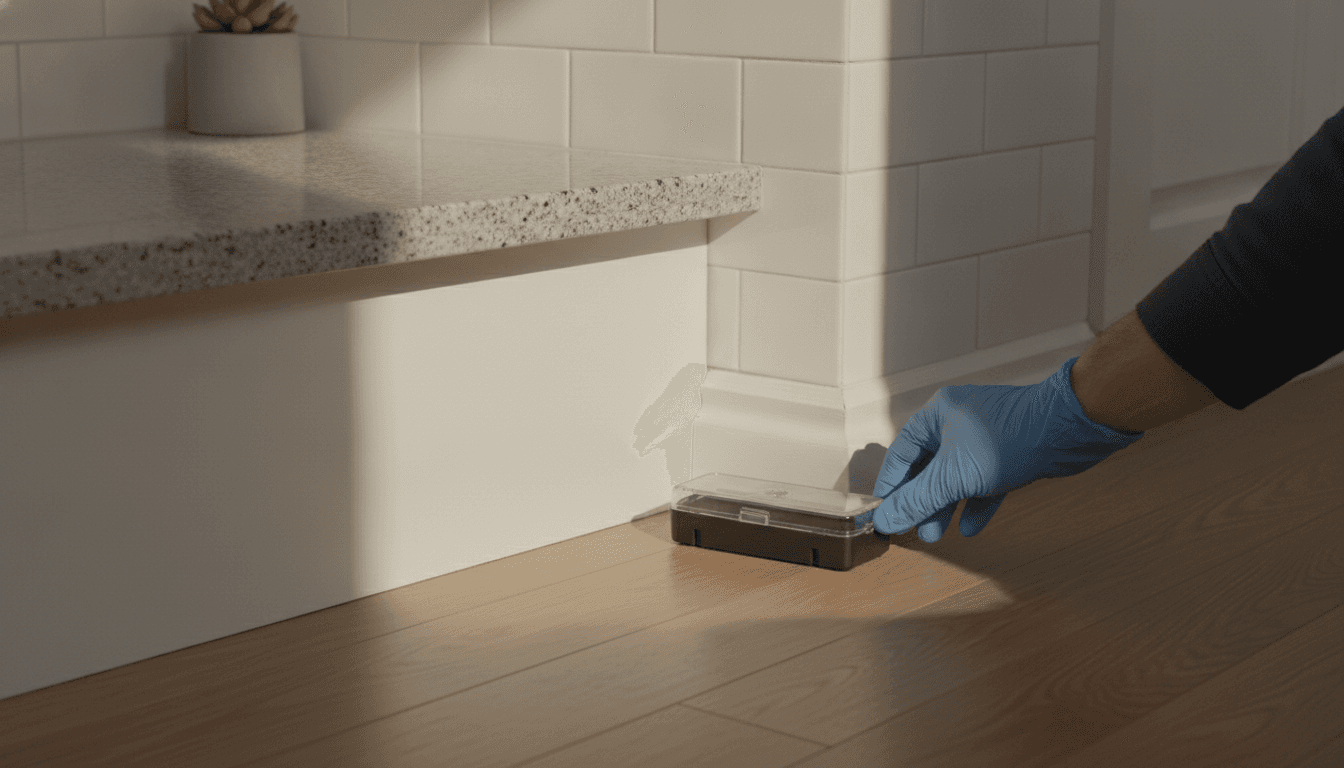
Ask any company bidding a multi-unit building how they plan to coordinate. The good answer involves treating every unit and the common basement on the same day, plus monitoring devices to find where the population is anchored. The bad answer is a single interior spray and a follow up in ninety days.
Tick Work Is a Separate Purchase
Deer ticks drive more homeowner spending in this state than any insect inside the house. Yard programs run roughly $90 to $175 per application with three to four rounds between April and October, so a season lands around $300 to $650 on a typical suburban lot. Cape Cod, Martha's Vineyard, and Nantucket properties often need the full schedule.
Coverage strategy separates the companies worth hiring. Ticks do not live in mowed turf, they live in leaf litter, stone walls, and the shaded three feet where the lawn meets the woods. A technician who sprays the open lawn and skips the woodland edge has treated the wrong ground.
Tick tubes and deer management belong in the same conversation. Tubes target the mice that carry immature ticks and cost $150 to $400 per season depending on lot size, and they work best paired with perimeter applications rather than instead of them. Properties backing onto conservation land with steady deer traffic rarely get clean results from spray alone.
Ask about pollinator timing before you approve a schedule. Responsible applicators avoid treating flowering plants and time applications around bee activity, and a company that shrugs at the question is worth passing on.
Carpenter Ants Follow Water, So Fix That First
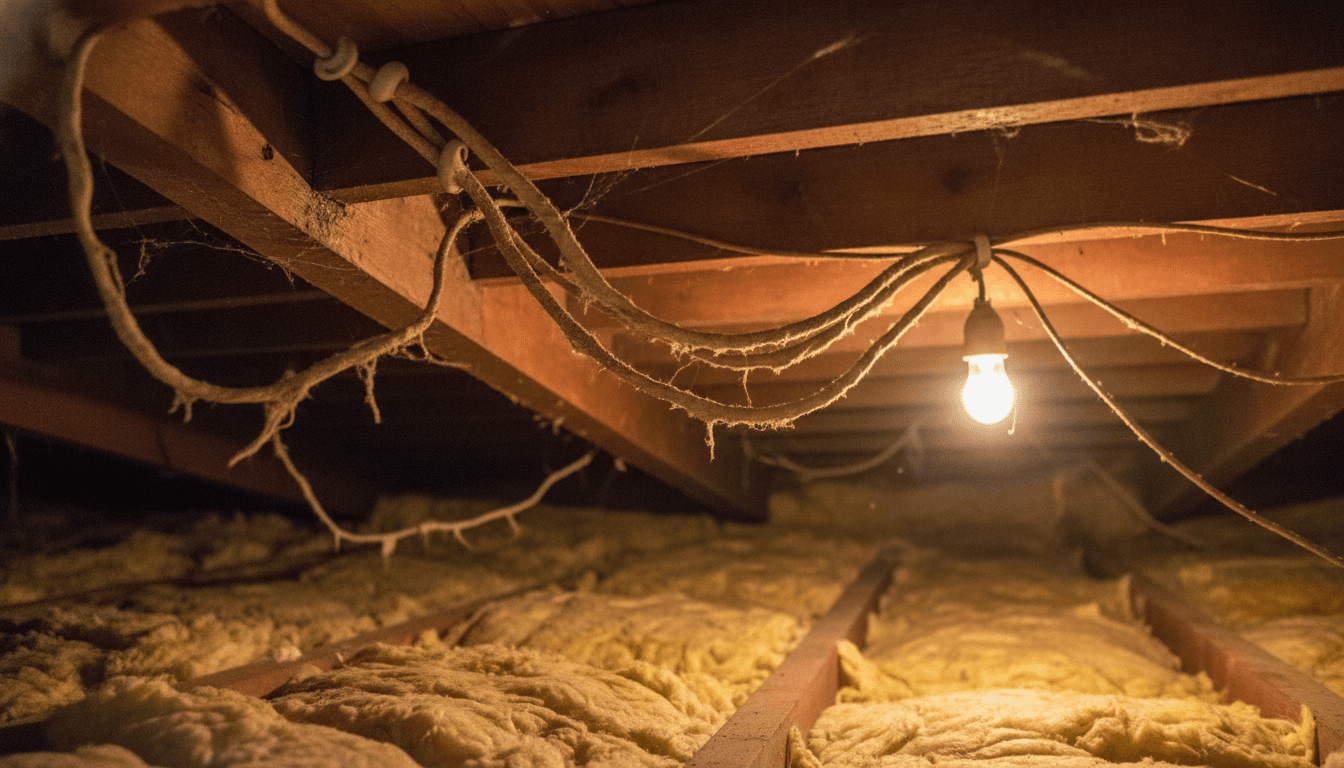
Carpenter ants do not eat wood, they excavate it, and they overwhelmingly choose wood that is already wet. In Massachusetts that means sill plates under a failed gutter, rafters below an ice dam leak, window headers behind bad flashing, and the framing around a chronically damp bulkhead. The ants are a symptom.
A treatment without a moisture conversation is a repeat visit you have already paid for. The right sequence is find the parent colony, treat it with non repellent products the workers carry back, then correct the leak that made the wood attractive. Expect $250 to $600 for a targeted carpenter ant treatment on a single family home.
Timing helps you diagnose. Winged ants appearing indoors in March or April usually means a colony inside the structure rather than one out in a stump, because indoor swarms come from indoor nests. That distinction changes the treatment plan and the price.
Ask the inspector to show you what they found. A technician who walks you to the damp corner of the basement and points at the stained sill is doing the job. One who sprays a baseboard and hands you an invoice is not.
Reading the Agreement, the Guarantee, and the Renewal Price
Contract terms cause more complaints in this industry than results do. Look for the initial term length, the cancellation fee, the auto renewal clause, and the price the plan renews at after the promotional year. Introductory pricing that jumps forty percent at month thirteen is common enough to expect.
Guarantees vary far more than prices. A strong general plan promises unlimited free re-service between scheduled visits, and a strong termite agreement covers both retreatment and repair of new damage rather than retreatment alone. Eastern subterranean termites are established across the state, and a full liquid barrier treatment typically runs $1,200 to $3,000.
Get three bids on identical scope before deciding. Send the same written description of the problem to three licensed pest control companies serving your area and ask each to quote the same pests, the same visit frequency, and the same guarantee. Our guides to home service pricing across Massachusetts use the same approach for electricians, plumbers, and roofers.
Frequently Asked Questions
How much does pest control cost in Massachusetts?
Quarterly general service typically runs $150 to $250 per visit with a first treatment of $200 to $450, which puts an annual plan around $600 to $1,000. Specialty work sits outside that: mouse exclusion commonly runs $400 to $2,500 depending on how many entry points the house has.
How do I check a pest control license in Massachusetts?
Ask the technician for their individual MDAR license or certification number and verify it through the Department of Agricultural Resources rather than trusting a logo on the truck. Also ask whether the company holds a MassWildlife permit if any part of the job involves animals in the attic.
Do I need pest control in the winter here?
Indoor service still earns its keep between December and March, since mice, cluster flies, and overwintering stink bugs are the reason most winter calls happen. Exterior perimeter applications get skipped in that window because frozen ground and snow cover make them pointless.
Should I sign an annual contract or pay per visit?
Pay per visit makes sense for a single problem with a clear end, such as one wasp nest or a one time ant treatment. Annual agreements pay off when the property has ongoing pressure from woods, water, or shared walls, mostly because of the free re-service between scheduled stops.
Is my landlord required to handle pests?
In buildings with two or more units, the state sanitary code puts responsibility for insect and rodent extermination on the owner. Tenants who cannot get a response should file with the local board of health, which has authority to inspect and order the work.