electricians
How Much Does an Electrician Cost in Boston, MA? (2026) Rates for Old Wiring, Panel Upgrades, and Triple-Deckers
How much does an electrician cost in Boston, MA? 2026 hourly rates, panel and service upgrade prices, knob and tube costs, and city permit rules.
In This Article
- What the Rate Card Looks Like Around the City
- Knob and Tube Wiring and the Insurance Problem
- Service Upgrades and Why Triple-Deckers Cost More
- Fishing Wire Through Plaster, Balloon Framing, and Flat Roofs
- Heat Pumps, EV Chargers, and What Mass Save Pays For
- How Massachusetts Licenses Electricians and Who Pulls the Permit
- Frequently Asked Questions
How Much Does an Electrician Cost in Boston, MA? (2026) Rates for Old Wiring, Panel Upgrades, and Triple-Deckers
A licensed journeyman electrician in Boston bills roughly $110 to $185 an hour in 2026. A master electrician running his own truck usually lands between $150 and $225, and most companies add a diagnostic or trip fee of $95 to $200 before anyone opens a panel.
Those rates sit above the national average for a reason that has nothing to do with greed. The city runs on housing built before 1940, most of it wood frame with plaster over lath and three generations of wiring layered on top of the original. A job that takes two hours in a 1998 subdivision takes six here.
Access is the other cost driver nobody quotes out loud. Crews park where they can, carry material up a narrow back staircase, and work in buildings where one electrical room serves three separate households. Time on the clock is time on the invoice.
What the Rate Card Looks Like Around the City
Small jobs get priced two ways. Some shops quote flat rates out of a book, so replacing a bad outlet is $150 to $250 whether it takes twenty minutes or an hour. Others bill hourly against a one or two hour minimum, which usually comes out cheaper on anything that runs long.
Adding a dedicated 20 amp circuit from an accessible basement panel to a first floor kitchen runs about $350 to $900. Push that same circuit to a third floor bedroom with no chase and no attic above it and the number climbs to $900 to $1,800. The wire costs the same either way.
Emergency and after hours work carries its own multiplier. Expect $250 to $450 for the first hour on a night, weekend, or holiday call, then the standard rate after that. A single dead circuit is rarely worth that premium, though a burning smell coming off a panel always is.
Recessed lighting is the job homeowners underestimate most. Each can light cut into an existing plaster ceiling averages $200 to $400 installed, so a six light kitchen lands between $1,200 and $2,400 before switches or dimmers. Plaster repair is almost always a separate trade and a separate bill.
Trip Charges, Minimums, and What Gets Credited Back
Nearly every shop in the city charges to show up. The fee runs around $95 out toward Roslindale and West Roxbury and closer to $200 downtown, where finding a legal spot can eat forty minutes. Many companies credit that fee toward the repair if you approve the work during the visit.
Ask how travel time gets billed on jobs that need more than one visit. A service change requiring a rough inspection, a utility disconnect, and a return trip can carry three separate trip charges if the contract allows it. Getting that answer in writing before the deposit saves an argument later.
Knob and Tube Wiring and the Insurance Problem
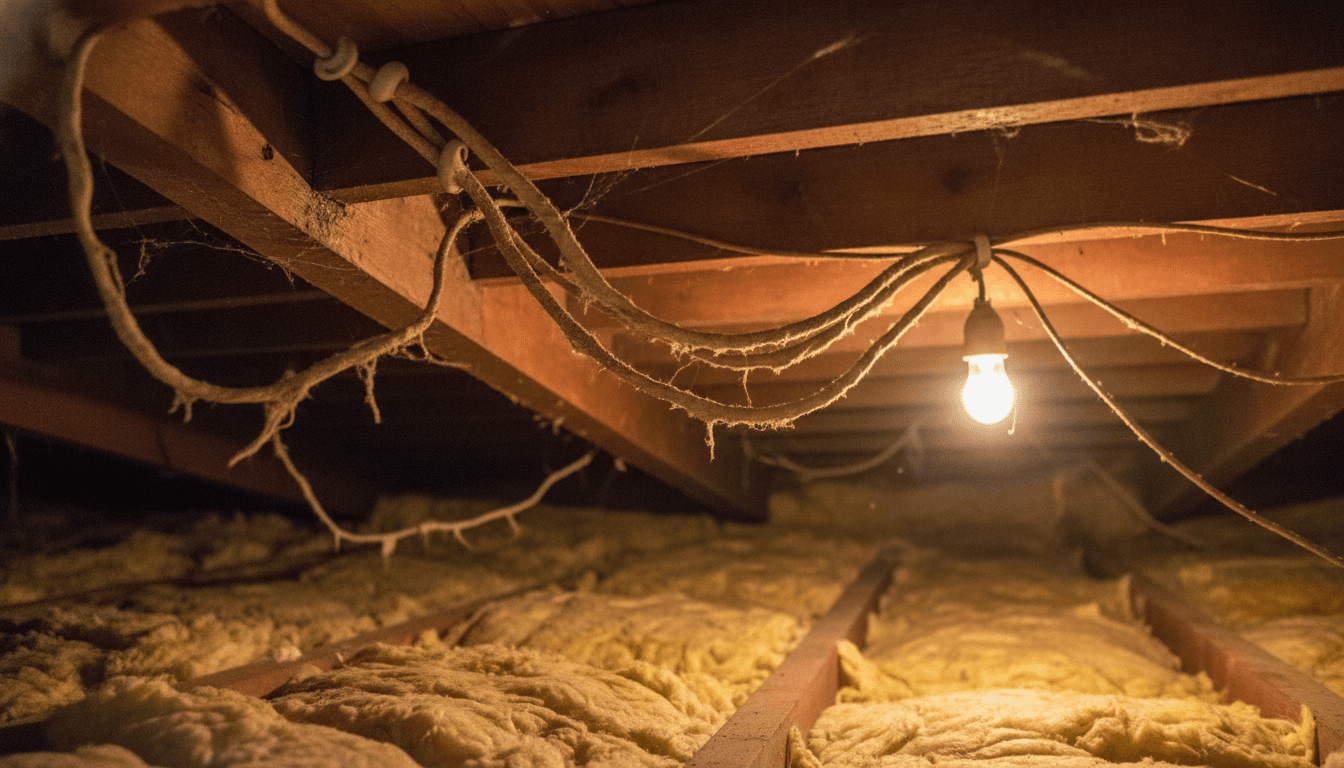
Knob and tube wiring is still live in thousands of homes across Dorchester, Jamaica Plain, Somerville, and the older parts of Brighton. It went in from roughly 1890 through the 1930s, and it carries no ground conductor and no jacket beyond a cloth and rubber coating that grows brittle with age. Insurance carriers pay close attention to it.
Every carrier handles it differently. Some decline to write a policy on a house with active knob and tube, some write it with a surcharge, and some accept it once a licensed electrician certifies the remaining runs are intact and clear of insulation. That certification inspection typically costs $300 to $700.
Partial replacement is the compromise most owners land on. An electrician replaces the runs feeding kitchens, baths, and bedrooms and leaves sound circuits alone, which usually costs $4,000 to $12,000 depending on room count. It satisfies most underwriters for a fraction of a full rewire.
A whole house rewire sits at the expensive end of this conversation. A single 1,200 square foot condo unit runs about $12,000 to $25,000, and a full three unit building can reach $35,000 to $65,000 once patching is counted. Owners usually schedule it alongside a gut renovation because the walls are already open.
Service Upgrades and Why Triple-Deckers Cost More
A 100 amp to 200 amp service upgrade in a single family home runs $3,000 to $6,500. That covers the new panel, breakers, grounding, the permit, and the inspection. It does not cover a new service mast, a relocated meter, or trenching when the utility feed comes in underground.
Triple-deckers change the math because one building holds three or four meters plus a house panel. Upgrading the service means replacing the meter stack, coordinating a disconnect with the utility, and getting every unit back on before dark. Quotes for that work commonly land between $8,000 and $18,000.
Scheduling is the part owners underestimate. Eversource controls the disconnect and reconnect, summer is the busy season, and a job booked in June can sit three or four weeks waiting on a utility crew. Electricians price that uncertainty in.
Older buildings hide work nobody quoted. Pull the panel off the wall and you find undersized feeders, spliced neutrals in a junction box with no cover, or a subpanel someone added in 1974 without a permit. Ask for a written allowance for that kind of discovery so the change order is not a shock.
Fishing Wire Through Plaster, Balloon Framing, and Flat Roofs
Plaster over wood lath does not behave like drywall. Cutting an opening breaks the surrounding key loose, so a small access hole turns into a two foot patch. Electricians here price that into the labor because they know it is coming.
Balloon framing helps and hurts in equal measure. Wall cavities in a pre-1930 house often run uninterrupted from the sill plate to the roof, which makes vertical runs fast when they work. Fire blocking added during a later renovation stops the fish tape cold and forces a new opening on every floor.
Then there is the roof. Many triple-deckers and row houses have no usable attic, so nothing overhead is available for distributing circuits. Electricians run wire through closets, along basement ceilings, or in surface raceway, and each choice changes both the price and the finished look.
Get the routing plan before you pay a deposit. A bid that says "add four outlets on the second floor" without saying how the wire gets there is a bid you cannot compare against anything.
Heat Pumps, EV Chargers, and What Mass Save Pays For
Electrification work now makes up a large share of residential calls in the city. A dedicated circuit for a ductless heat pump condenser runs $600 to $1,500 when the panel has room. When it does not, you are buying a service upgrade first, and that moves the project total by several thousand dollars.
Level 2 charger installs typically land at $1,200 to $2,800 in a house with an attached or nearby garage. Boston complicates it. Owners without off street parking have few options, and running a circuit to a shared driveway at a condo takes trustee approval and a metering decision before anyone can quote it.
Mass Save deserves a call before you sign. The program offers rebates on qualifying heat pump equipment and a zero interest HEAT Loan for eligible work, and panel upgrades sometimes qualify when they are tied to a heat pump installation. Contractors in the program file the paperwork, and hiring outside that list can forfeit the rebate.
How Massachusetts Licenses Electricians and Who Pulls the Permit
The Board of State Examiners of Electricians licenses journeymen and masters statewide. Anyone performing electrical work for hire must hold a current license, and the license number is searchable through the state licensing site in about a minute. The company should also carry general liability coverage, and you should ask for the certificate from the agent rather than the salesperson.
Permits go through the city wiring inspector at Inspectional Services. The licensed electrician files the permit, not the homeowner, and that is one of the cleanest tests of who you are dealing with. A quote that offers to skip the permit to save you money is telling you what the rest of the job will look like.
Inspections happen at rough and at final on new circuits and any service change. Sign off matters at resale, because a buyer's attorney can ask for permit history on recent work. Unpermitted panel work has held up more than one closing in this market.
Bids compare cleanly only when the scope is identical. Send the same written list to three licensed electricians serving the Boston area and ask each one to price the same circuits, the same fixtures, and the same patching responsibility. Our home service pricing guides for Massachusetts homeowners walk through the same method for plumbing, roofing, and HVAC bids.
Frequently Asked Questions
What is the average hourly rate for an electrician in Boston, MA?
Journeyman rates cluster between $110 and $185 an hour, while masters and small shop owners bill $150 to $225. Add a trip or diagnostic fee of $95 to $200, which many companies credit toward the repair when you approve it during the first visit.
How much does it cost to replace an electrical panel here?
A single family 100 amp to 200 amp upgrade generally runs $3,000 to $6,500 with the permit and inspection included. A multi-unit building with a meter stack is a different job at $8,000 to $18,000, because the utility disconnect has to be scheduled around three households.
Is knob and tube wiring illegal in Massachusetts?
No. Existing knob and tube may stay in service when it is undamaged and not buried in insulation, though the state electrical code does not allow new installations. The practical obstacle is insurance, since several carriers decline or surcharge policies on homes where it remains live.
Do I need a permit for electrical work in the city?
Yes for new circuits, panel changes, service upgrades, and most rough-in work. Your electrician files it and the job gets inspected at rough and final. Swapping a fixture on an existing box is generally the exception.
Why do city electricians charge more than suburban shops?
Parking, permit administration, and building age account for most of the gap. A crew that spends forty minutes finding a legal spot in South Boston and then hauls material up three flights is billing time that a suburban job never generates.