plumbers
How Much Does a Plumber Cost in Boston, MA? 2026 Rates for Old Pipes, Boilers, and Triple-Deckers
How much does a plumber cost in Boston, MA? 2026 hourly rates, drain and boiler pricing, repiping old lines, plus Massachusetts licensing and permit rules.
In This Article
How Much Does a Plumber Cost in Boston, MA? 2026 Rates for Old Pipes, Boilers, and Triple-Deckers
Boston plumbers bill $125 to $250 an hour in 2026, which puts the city near the top of the national range. The trip charge adds $100 to $250 before anyone looks at the problem, and a typical completed repair runs $250 to $900. Boiler work, sewer work, and anything involving a wall in a 1905 building climb past that quickly.
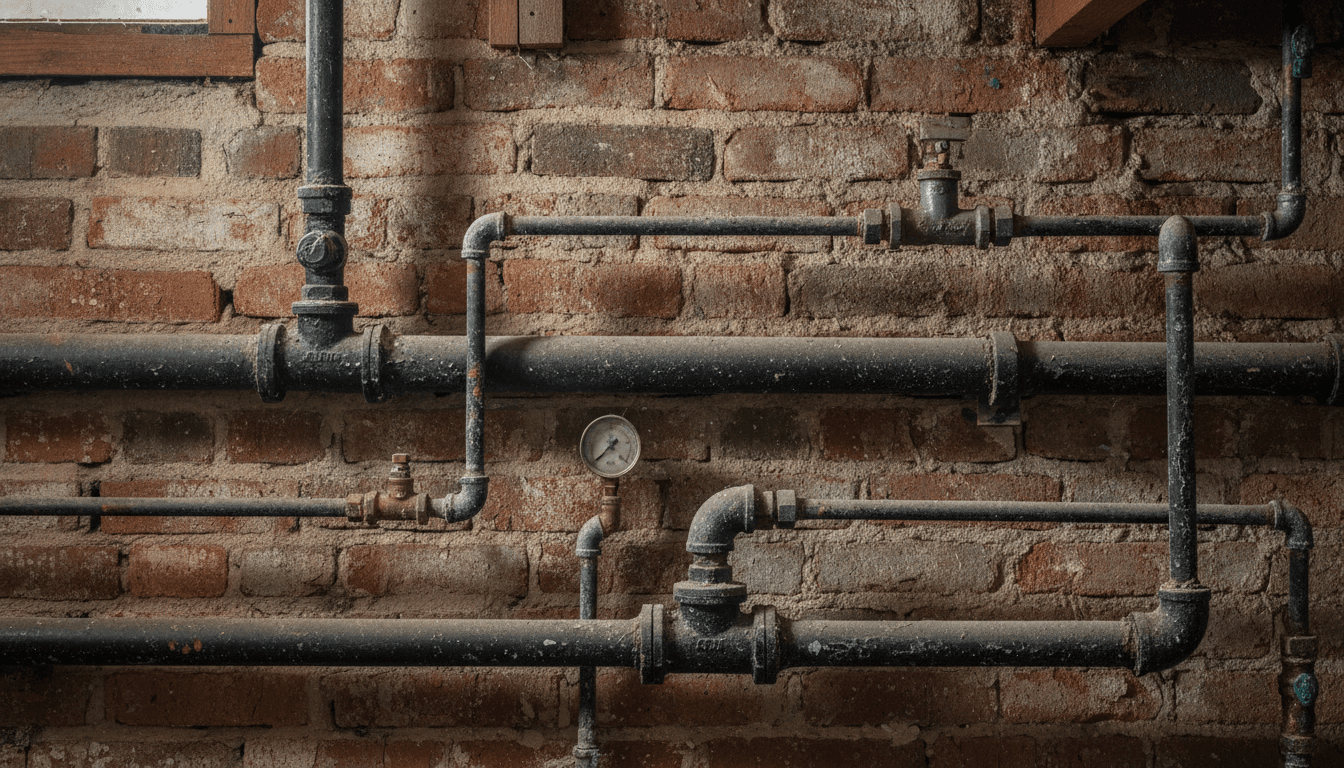
Age is the reason. More than half the housing in Boston went up before 1940, and a good share of it predates indoor plumbing as we now understand it. Cast iron waste stacks, galvanized supply lines, and steam heat all coexist in the same building, and a plumber working on one of them tends to uncover the other two.
The city adds a second cost layer that has nothing to do with pipe. Parking a van in Dorchester or the North End, carrying a water heater up three flights, and coordinating around tenants all consume hours that show up on your invoice.
What the Rate Card Looks Like Across the City
Journeyman rates start around $125 an hour and master plumber rates reach $250, with the higher end concentrated downtown and in Back Bay. Two-man crews are common on anything involving a stack or a boiler, and the second technician typically bills at 60 to 80 percent of the lead rate. Ask how many people are coming before you accept an hourly quote.
Defined jobs get a flat price, and that is the number worth comparing across companies. Two shops quoting the same 50 gallon water heater in the same building can differ by $800 based on how they handle disposal, expansion tanks, and code upgrades. Get both quotes itemized rather than as a single figure.
Emergency work carries the steepest premium in the Northeast. Nights, weekends, and holidays run one and a half to two times standard rates, and during a January cold snap some companies quote a flat $300 to $600 dispatch fee on top of labor. Knowing where your main shutoff sits is the single best way to avoid paying it.
The Repairs Boston Buildings Generate
Old buildings fail in predictable ways, and local plumbers see the same handful of calls year after year. Knowing the going rate for each one tells you whether a quote deserves a second opinion.
Building type moves these numbers as much as the repair itself. A job in a single-family in West Roxbury with a walkout basement prices nothing like the same job in a fourth-floor South End condo served by a shared riser and one elevator.
Drains and Sewer Lines
Clearing a fixture drain or a toilet runs $200 to $550. A main line stoppage costs $400 to $950, since the plumber brings a larger machine and often has to find a cleanout buried behind a century of basement storage. Add $250 to $500 for a camera inspection, which earns its price the second time the same line backs up.
Older laterals under Boston streets suffer from root intrusion, offset joints, and decades of grease. Spot repairs run $2,500 to $6,500 once excavation and street restoration are counted, and trenchless lining costs $95 to $300 per foot. Work in the public way requires coordination with the city, which adds days to the schedule rather than dollars to the labor.
Water Heaters and the Space They Have to Fit
A 40 or 50 gallon tank replacement runs $1,700 to $3,600 installed in Boston, above the national average because of labor rates and carry-in difficulty. A basement in a triple-decker with a narrow bulkhead entrance can add two hours to the job. Confirm the quote includes removal of the old unit.
Indirect water heaters, which draw heat from an existing boiler, are common in homes with hydronic systems and run $2,200 to $4,500 installed. Tankless conversions land at $3,500 to $7,500 once venting and gas line sizing are handled, and gas capacity is the sticking point in older buildings where the service was sized for a stove and a small boiler.
Frozen and Burst Pipes
A single burst section repaired in an accessible spot runs $400 to $1,200. Once the plumber has to open a plaster wall or a ceiling to reach it, expect $1,000 to $3,000 plus the cost of a separate contractor to patch and paint.
Pipes fail in the same places every winter. Kitchen lines running through exterior walls, supply lines feeding a rear porch sink, and anything in an unheated basement bay near a foundation vent are the usual casualties. Insulating those runs and adding heat tape costs a few hundred dollars and eliminates most of the risk.
Galvanized Lines, Lead Services, and Repiping
Galvanized steel supply lines corrode from the inside until pressure at the top floor drops to a trickle. Repiping a Boston single-family in copper or PEX runs $9,000 to $22,000 depending on the number of bathrooms and how much plaster comes down. A single-floor partial repipe is the middle path at $4,000 to $8,000.
Lead service lines are a separate matter and a live one across the city. The Boston Water and Sewer Commission runs a replacement program with financial assistance for the private side of the line, and full replacement typically costs $3,000 to $10,000 without help. If your home dates to before 1940 and nobody has checked, the service material is worth confirming.
Triple-Deckers and the Stack Everyone Shares
The triple-decker is Boston's signature building, and its plumbing runs vertically. Three kitchens sit stacked over each other, three bathrooms share a single waste stack, and one supply riser feeds them all. That layout makes some repairs cheap and others painful.
Shared infrastructure means shared shutdowns. Replacing a section of stack in the second-floor bathroom takes water away from all three units, so the work gets scheduled around tenants and often runs on a weekend at premium rates. Owners who plan stack work during a vacancy save real money.
Condo conversions complicate the question of who pays. In many buildings the stack is common area and the branch lines are unit property, which means a leak at the joint between them starts an argument before it starts a repair. Read the master deed before you approve work, because reimbursement gets harder after the fact.
Steam and Hydronic Heat Change Who You Call
Boston runs on hot water and steam more than most American cities, and heating work here falls to plumbers rather than to HVAC contractors. Boiler replacement runs $7,000 to $16,000 for a standard gas unit and $12,000 to $22,000 for a high-efficiency condensing system with new venting. Oil to gas conversions add $3,000 to $8,000 for the burner, chimney liner, and gas service work.
One-pipe steam systems built a century ago still heat thousands of local units, and they need a specialist rather than a generalist. Radiator valve replacement runs $150 to $400 per radiator, and a full system rebalancing with new vents costs $600 to $2,000. Banging pipes and cold rooms at the end of the loop usually trace to pitch and venting rather than to the boiler.
Gas work carries its own license in Massachusetts, so confirm the person touching the gas piping holds a gas fitting license. Many Boston plumbers hold both credentials, and plenty do not. It is a fair question to ask on the phone.
Winter Sets the Price of Everything
Demand in this market is seasonal in a way that Sun Belt cities never experience. The first hard freeze of the season generates hundreds of simultaneous calls, and companies triage by severity, meaning a slow drip waits behind a flooded basement. Rates do not officially change, but overtime becomes the only available appointment.
Non-urgent work priced in October costs less than the same work priced in January. Water heater replacements, fixture upgrades, and repiping all get quoted more competitively in the fall shoulder season. Contractors filling a calendar negotiate; contractors turning away work do not.
Prevention is cheap by comparison. Draining and shutting exterior hose bibbs, keeping the heat at 55 degrees or higher in vacant units, and opening cabinet doors under sinks on exterior walls during a cold snap prevent most of what fills those emergency calls.
Licensing and Permits in Boston
Massachusetts licenses plumbers through the Board of State Examiners of Plumbers and Gas Fitters, in three tiers of apprentice, journeyman, and master. Only a licensed master plumber may hold a business and pull permits, and state law requires that permits be taken out by the licensed plumber performing the work, never by the homeowner on their behalf. Verifying a license takes a minute on the state lookup.
The Massachusetts plumbing code is more prescriptive than most, which explains a few quotes that look inflated to people moving here from elsewhere. Requirements around venting, backflow protection, and fixture connections are enforced through inspection, and inspectors in Boston do fail work. A contractor proposing to skip the permit is proposing to hand you the liability at resale.
Permits in Boston come through the Inspectional Services Department, and fees for a residential repair or replacement typically add $75 to $300. Work in the street or sidewalk brings in the Public Works Department and the Boston Water and Sewer Commission, which lengthens the timeline. Build that into your plans if the job touches your service line.
Insurance is the check homeowners skip most often. Massachusetts requires workers' compensation coverage for employees, and a crew working in your basement without it turns an injury into your problem. Have the certificates sent to you by the agency that wrote the policy.
Getting two or three licensed plumbers working in Boston to price the same written scope is how an outlier bid becomes obvious. For the seasonal maintenance that keeps these calls rare, browse our New England home cost guides.
Frequently Asked Questions
What is the average plumber hourly rate in Boston, MA?
Journeyman work runs $125 to $185 an hour and master plumbers reach $250, plus a $100 to $250 trip charge. Two-technician crews are standard on stack and boiler work, so ask how the second person is billed before agreeing to hourly pricing.
How much does it cost to replace a boiler in Boston?
A standard gas boiler runs $7,000 to $16,000 installed, and a condensing high-efficiency unit with new venting reaches $22,000. Converting from oil to gas adds $3,000 to $8,000 for burner work, a chimney liner, and the gas service connection.
Can a homeowner pull a plumbing permit in Massachusetts?
No. State law puts permitting on the licensed plumber doing the work, which is a departure from the rules in many other states. That requirement is one reason unlicensed handyman plumbing creates problems at resale.
Why are Boston plumbing repairs more expensive than the national average?
Labor rates, building age, and access all push costs up together. A repair that takes 90 minutes in a 1998 ranch takes half a day in a 1910 triple-decker with plaster walls, a shared stack, and no parking within a block.
How do I know if my Boston home has a lead water service line?
Look at where the service enters the basement and check whether the pipe is soft, dull gray, and scratches to a shiny finish. The Boston Water and Sewer Commission maintains records and runs a replacement program with financial help, and full replacement otherwise costs $3,000 to $10,000.