pest-control
Bed Bugs and September 1: Checking a New Boston Apartment Before You Move a Single Box
Bed bugs and September 1 in Boston: how to inspect an empty apartment before moving, what Massachusetts law requires of landlords, and what treatment really costs.
In This Article
Bed Bugs and September 1: Checking a New Boston Apartment Before You Move a Single Box
September 1 moves roughly 70 percent of Boston's rental housing on the same day. Trucks double-park on Comm Ave, mattresses pile on the curb in Allston, and thousands of tenants walk into apartments that were vacated less than 24 hours earlier. That compressed turnover is exactly the condition bed bugs need.
The pattern repeats every year. A unit gets emptied on August 31, cleaned quickly or not at all, and a new tenant moves in on September 1 without anyone inspecting the frame of the bedroom closet or the seam of the box spring left behind. By late October, the calls start.
The good news is that a careful 20-minute inspection catches most of what matters, and Massachusetts law puts the treatment obligation on your landlord rather than on you. Knowing both of those things before the truck arrives changes how the fall goes.
What to Do Before You Carry Anything In
Get into the unit empty if you possibly can. Ask the broker or the property manager for access on August 30 or 31, or the morning of the first before the truck. An empty apartment is the only version you will ever be able to inspect properly.
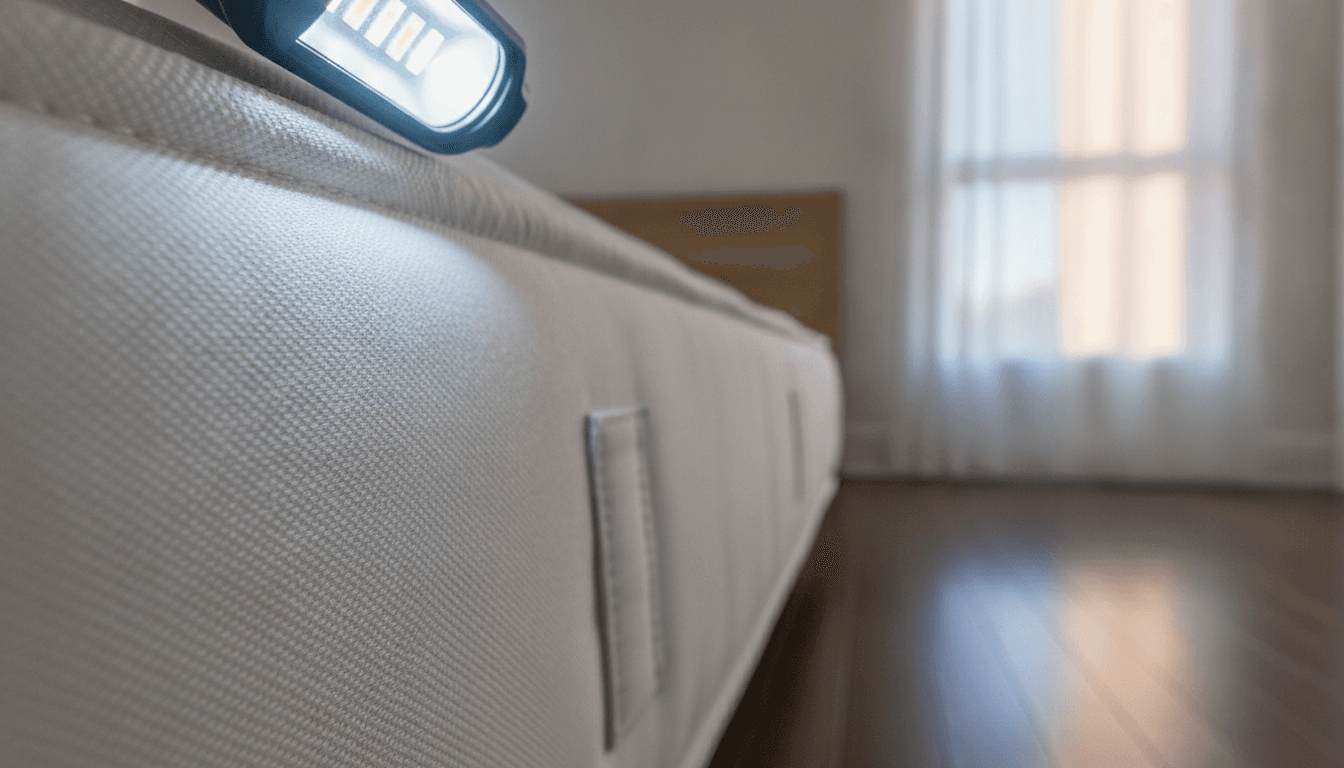
Bring a flashlight, a plastic card for prying seams, and your phone camera. Phone flashlights are workable but weak, and a real light at a low angle across a surface is what makes the shells and stains visible.
Photograph everything you find, and photograph the room even if you find nothing. Timestamped photos from before your furniture arrived are the single most useful thing you can have if a dispute develops in November about who brought what into the building.
Where to Look in an Empty Unit
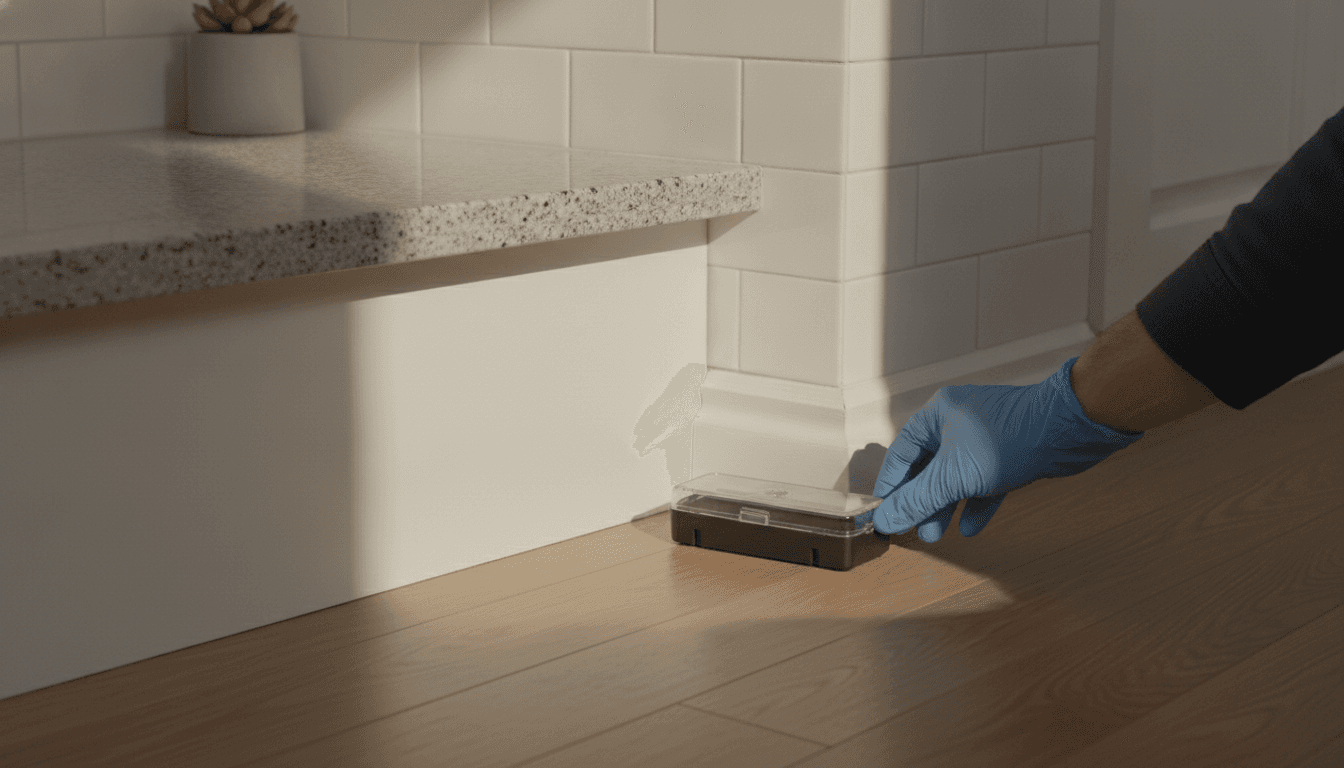
Start with the bedroom, then the living room, and look at the places furniture used to touch. The most productive spots in an empty Boston apartment are the gap where baseboard meets floor, the underside of window and door casing, cracked plaster along the ceiling line, and the holes and screw plates of any built-in closet shelving.
Radiator covers and the wall behind them matter in older triple-deckers, since steam heat runs in most of Dorchester, Somerville, and JP. So do outlet and switch plates on shared walls. Take two screws out of a bedroom outlet on the wall you share with the next unit and look inside with the light.
What Evidence Looks Like
Live bugs are the obvious sign and the least common one in a vacant unit. Rust-colored smears on the wall or baseboard, small dark ink-dot fecal spots in a cluster, and translucent shed skins the shape of the insect are what you are more likely to find.
Empty shells and old staining still matter. They mean the unit had an infestation at some point, and they tell you to ask the property manager a direct question about treatment history before you sign anything or move in.
Furniture From the Curb and Other September Risks
Allston Christmas is a real cultural event and a genuine transmission route. The furniture stacked on Boston sidewalks on August 31 includes items that were thrown out because the tenant had bed bugs and did not want to say so. A mattress or upholstered chair from the curb is the highest-risk object you can bring into a new apartment.
Wood furniture can be inspected and cleaned. Anything with fabric, foam, or hollow joinery is a different proposition, and there is no reliable way to confirm a curbside couch is clean without dismantling it. The cost of a used couch is never worth a $1,500 heat treatment.
Storage units and moving trucks add a second path. A shared moving truck that hauled someone else's infested load that morning can transfer bugs into your boxes, which is one argument for the extra money on a dedicated truck during turnover week.
If you are moving out of a unit that had a problem, tell your movers. Reputable Boston crews have protocols for it, and hiding it is how the next building gets it.
What Massachusetts Law Requires of Your Landlord
The Massachusetts State Sanitary Code makes the owner responsible for maintaining a dwelling free of insect infestation in most residential rentals. For a building with two or more units, the landlord is responsible for extermination regardless of which unit the problem started in. That obligation does not depend on proving who brought them in.
Report the problem in writing, not by phone. Email or a dated letter creates the record, and the Boston Inspectional Services Department will ask for it if you end up filing a complaint. Keep a copy of everything you send.
If the landlord does not act, ISD can inspect the unit and issue a violation with a deadline for correction. Tenants also have remedies under Massachusetts law including rent escrow in some circumstances, though that path is worth discussing with a housing attorney or a tenant advocacy organization before you withhold anything.
Treatment in a multifamily building has to include adjacent units. Treating one apartment in a triple-decker while the two above and below go untouched produces reinfestation, and a landlord who refuses to inspect neighboring units is setting up a repeat.
What Professional Treatment Involves and What It Costs
Boston-area treatment prices depend on method. Conventional chemical treatment of a one-bedroom apartment runs roughly $400 to $900 per visit, and it generally takes two or three visits spaced two weeks apart because the products do not reliably kill eggs.
Whole-room or whole-unit heat treatment runs $1,200 to $3,000 for a typical apartment. It raises the space above 120 degrees for several hours, kills all life stages in one session, and leaves no residual protection, so it usually gets paired with a targeted chemical application at the perimeter.
Canine inspection runs $200 to $400 and is worth considering when you suspect a problem but cannot find evidence. A trained dog can identify which rooms of a triple-decker have activity, which narrows what has to be treated and lowers the total cost.
Preparation is where most treatments fail. The company will give you a list involving bagged laundry run through a hot dryer, emptied nightstands, and furniture pulled from walls, and a unit that is not prepared correctly wastes the visit. Ask for the prep sheet the day you book, not the day before.
The company you hire should be licensed by the Massachusetts Department of Agricultural Resources and should be willing to put the treatment protocol in writing before starting. Getting two or three quotes from licensed Massachusetts pest control companies is reasonable even when the landlord is paying, since you can ask for a specific company by name, and our Massachusetts home services guides cover what the surrounding work costs.
Protecting the Apartment After You Move In
Encasements on the mattress and box spring cost $50 to $120 for a set and do two things at once. They trap anything already inside, and they remove the seams and buttons that make a mattress the preferred harborage in the first place.
Interceptor cups under each bed and sofa leg run about $25 for a set of four. They are the cheapest early-detection tool that exists, and checking them once a month for the first six months in a new Boston apartment takes two minutes.
Keep the bed away from the wall and keep bedding off the floor. In a shared-wall building, that gap is a meaningful barrier, and it also makes the interceptors work the way they are supposed to.
Frequently Asked Questions
Who pays for bed bug treatment in a Boston apartment?
In buildings with two or more units, the Massachusetts State Sanitary Code puts extermination responsibility on the property owner. Report the problem in writing, and if the landlord does not act, Boston Inspectional Services can inspect and issue a violation with a correction deadline.
How do I check an empty apartment for bed bugs?
Use a flashlight at a low angle on baseboard gaps, window and door casing, closet shelf brackets, radiator covers, and behind outlet plates on shared walls. You are looking for dark fecal spotting in clusters, rust-colored smears, and translucent shed skins rather than live insects.
Is it safe to take furniture off the curb on September 1?
Solid wood pieces can be inspected and cleaned. Mattresses, box springs, and upholstered furniture are the highest-risk items on Boston sidewalks during turnover, since some of them were discarded because of an infestation the previous tenant never disclosed.
How much does bed bug treatment cost in Boston?
Chemical treatment of a one-bedroom runs about $400 to $900 per visit with two or three visits typically required. Whole-unit heat treatment runs $1,200 to $3,000 and kills all life stages in a single session, which is why larger infestations often go that route.
How long after moving in would I notice bed bugs?
Bites and visible evidence commonly show up four to eight weeks after introduction, which is why a September 1 move produces calls in late October. Interceptor cups under the bed legs will usually show something well before you see a bite.