house-cleaning
Basement Humidity and Mold Prevention in a Massachusetts Summer: Getting Ahead of the Damp
Beat basement humidity and mold in a Massachusetts summer with dew point know-how, dehumidifier sizing, drainage fixes, and clear signs to call a pro.
In This Article
Basement Humidity and Mold Prevention in a Massachusetts Summer: Getting Ahead of the Damp
That musty smell in a Massachusetts basement in August is not a mystery, it is physics. Summer air carrying dew points in the 60s and 70s drifts down into a space where the foundation walls sit at 55 to 60 degrees year-round. Warm humid air meeting cool concrete condenses, the same way a cold glass sweats on a porch, and the basement gets damp without a single drop of rain coming in.
Mold takes it from there. Give mold spores a damp surface and about 48 hours and colonies start, feeding on cardboard, drywall paper, wood framing, and the dust film on almost everything. The good news is that summer basement moisture responds well to a handful of fixes, most of them cheap, and the whole strategy fits in one afternoon of setup.
Why July and August Are the Worst Months Down There
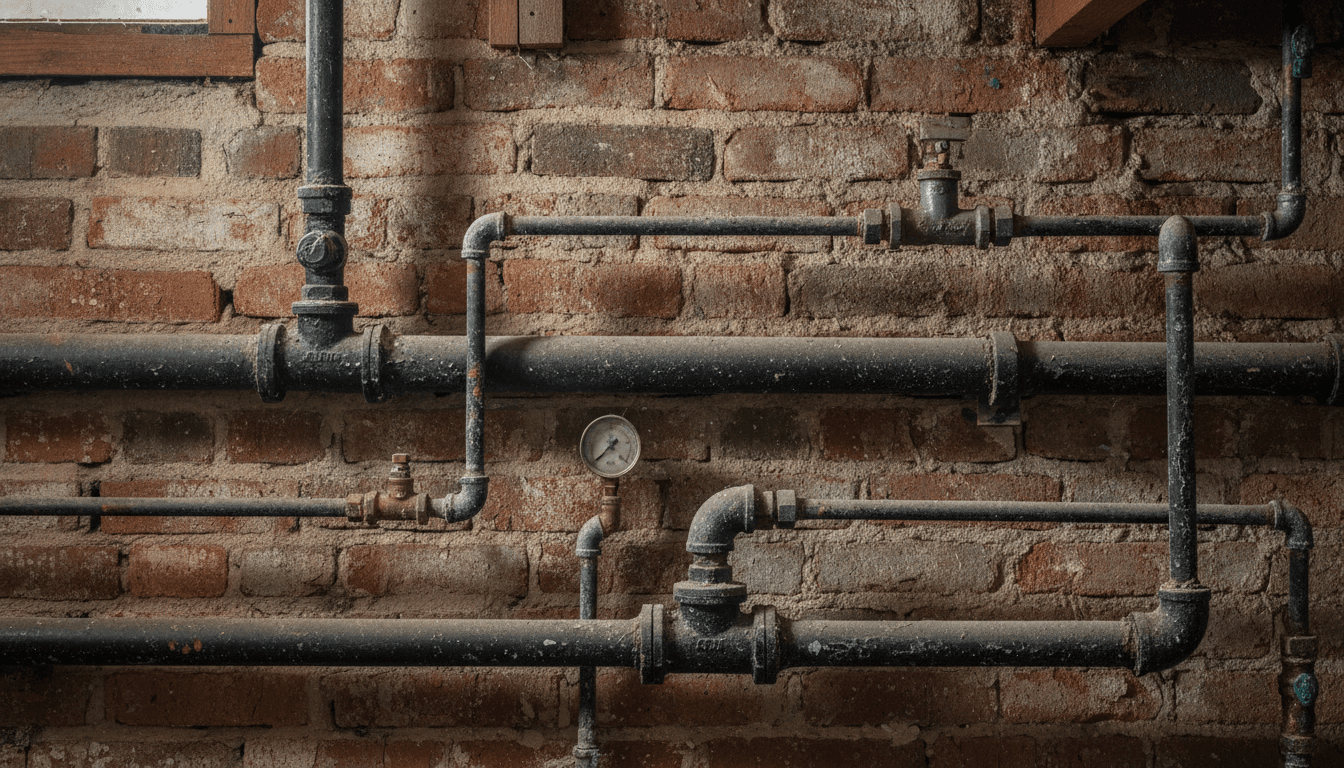
Condensation, not leakage, drives most Massachusetts basement dampness in summer. The ground keeps foundation walls and slab floors in the 50s even during a heat wave, so any surface below the dew point of the air touching it collects moisture. On a muggy South Shore afternoon with a dew point of 70, that includes the walls, the floor, and every cold water pipe in the ceiling.
Open windows make it worse, which surprises people every year. Airing out a musty basement on a humid day imports moisture, because each batch of outside air cools down and drops its water on your surfaces. The musty smell gets stronger by evening, not weaker.
Rain plays a supporting role. August thunderstorms saturate the soil against the foundation, and hydrostatic pressure pushes water vapor through porous concrete even when nothing visibly leaks. That is why a basement can feel clammy for days after a storm has passed.
The Number to Watch: Relative Humidity
Keep basement relative humidity below 50 percent and mold has a hard time getting started. Between 50 and 60 percent you are in the caution zone, and above 60 percent sustained, mold growth on cool surfaces becomes a matter of time. Musty odor is usually the first confirmation that you have been over the line for a while.
You cannot manage what you do not measure, and the tool costs almost nothing. A digital hygrometer runs $10 to $20 at any hardware store, and two of them, one at each end of the basement, will show you whether conditions differ near the walls. Check readings in the evening, when the day's humidity load peaks.
Massachusetts basements in July commonly sit at 65 to 80 percent with no dehumidification at all. Seeing the real number is usually what convinces a homeowner the dehumidifier is not optional here.
Sizing and Running a Dehumidifier
Capacity is rated in pints per day, and bigger is better in this climate. A 35 to 50 pint unit handles a typical dry-ish basement, while damp spaces, larger footprints, or anything over about 1,500 square feet calls for a 50 pint or larger unit. Undersized machines run constantly, never reach the setpoint, and die young.
Set it at 45 to 50 percent and let it run all summer. The machine cycles on its own once the space reaches target, so running costs stay reasonable, typically some tens of dollars a month in electricity during peak humidity. Place it away from walls with airflow around it, and clean the filter monthly.
Drainage is where most setups fail. A bucket fills in hours in July, and every missed emptying is downtime, so run the drain hose to a floor drain or sump pit instead. No drain nearby means a condensate pump, a $50 to $100 add-on that pushes water up to a utility sink or out through a rim joist.
Fix the Outside Before Fighting the Inside
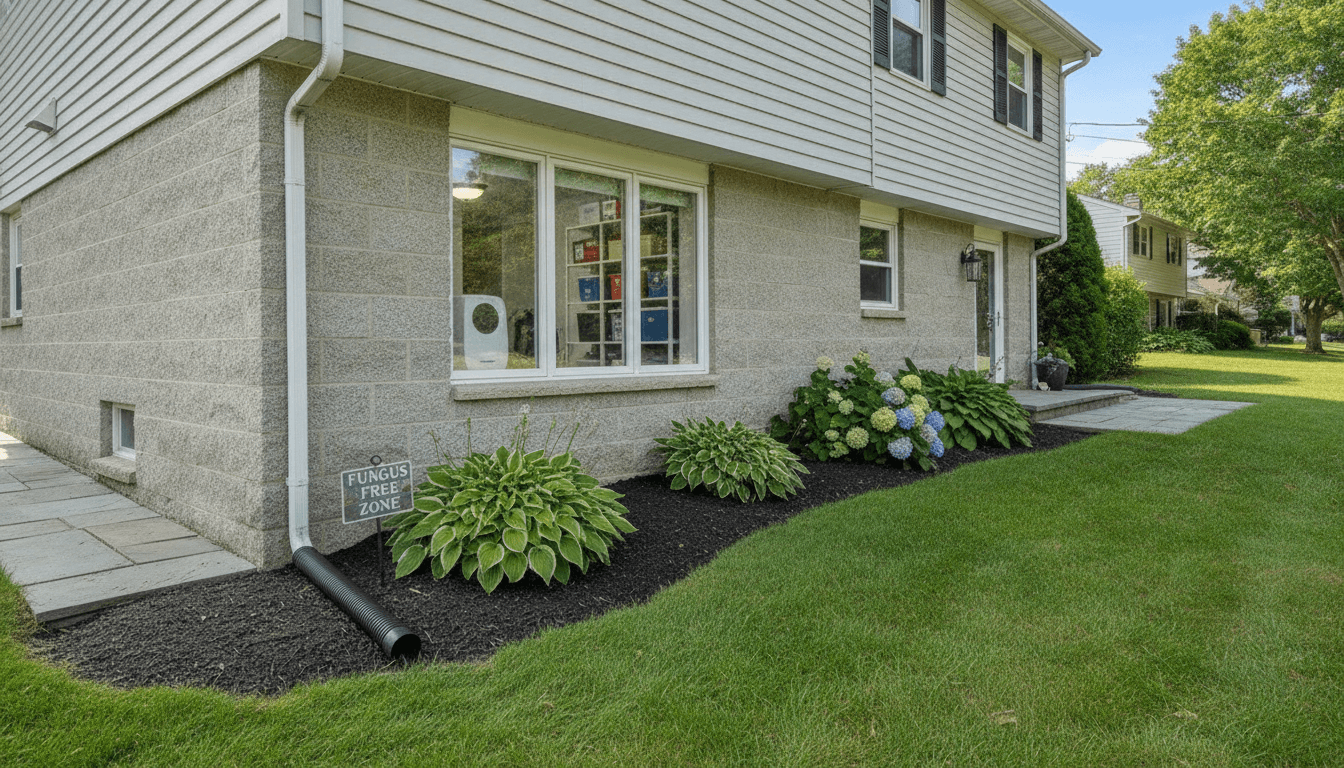
A dehumidifier cannot keep up with water the yard keeps delivering. Walk the foundation during a hard rain and watch where the roof water goes, because gutters overflowing at the corners or downspouts dumping right at the wall are feeding the soil that wraps your basement. Downspout extensions that carry discharge 4 to 6 feet from the house cost a few dollars each and do outsized work.
Grading is the second check. Soil should slope away from the foundation, roughly 6 inches of drop over the first 10 feet, and decades of settling leave many Massachusetts yards pitched the wrong way. Fixing a low spot with a few bags of soil is a Saturday project that lowers the moisture load on the whole basement.
Interior humidity sources count too. A dryer vented indoors, a bathroom without an exhaust fan, or firewood stacked in the basement all add gallons of water to the air. Each one undoes hours of dehumidifier work.
Recognizing Mold Before It Spreads
Smell finds mold before eyes do. A persistent earthy, musty odor that intensifies in humid weather means active growth somewhere, even when every visible surface looks clean. Check the hidden zones: behind stored boxes against walls, the underside of stair stringers, the back of paneling, and the paper face of any drywall.
Visible growth ranges from black spotting to white fuzz to green-gray patches. Small areas on hard surfaces, up to about 10 square feet as a common industry threshold, are a reasonable DIY cleanup with detergent, water, and a fan to dry the area fast. Skip the straight bleach on porous materials, since it leaves roots behind in wood and drywall.
Anything bigger, anything returning after cleanup, or any mold tied to sewage or long-term leaks belongs with a remediation company. Musty-smelling HVAC air is another trigger to bring in a professional, because ductwork can move spores through the whole house.
Extra Caution for Finished Basements
A finished basement hides its moisture problems inside the walls. Carpet on a concrete slab, drywall against foundation walls, and framed cavities with fiberglass insulation all create cool, dark pockets where condensation can feed mold for months unseen. By the time a baseboard shows staining, the cavity behind it has usually been wet for a while.
Play defense accordingly. Keep the dehumidifier running in finished space too, choose area rugs over wall-to-wall carpet on slabs, and investigate any musty smell immediately rather than masking it. When finishing a basement from scratch, rigid foam against the concrete and mold-resistant drywall are worth every dollar in this climate, and a house cleaning service doing a seasonal deep clean can help you spot trouble early behind furniture and stored goods.
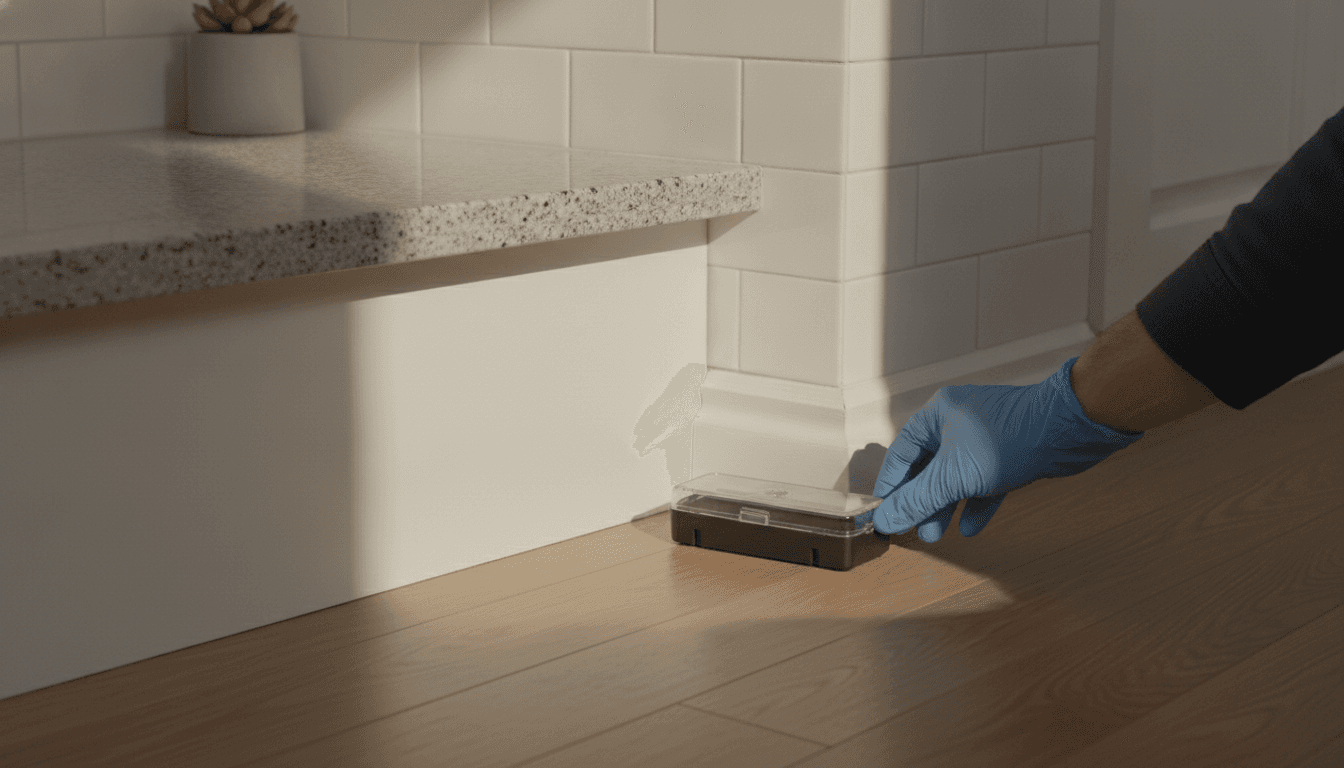
Water alarms are cheap insurance for the mechanical corner. A $15 sensor puck next to the water heater and washing machine turns a silent failure into a same-day fix. More prevention rundowns like this one live in the homeowner maintenance library.
Frequently Asked Questions
What humidity should a Massachusetts basement be in summer?
Hold it under 50 percent relative humidity, measured with a hygrometer in the evening. Unconditioned basements here drift to 65 to 80 percent in July without a dehumidifier, which is squarely in mold territory.
Should I open basement windows to air it out in summer?
No, keep them closed on humid days. Outside air with a dew point in the 60s or 70s adds water to the basement as it cools, so ventilation makes summer dampness worse, the opposite of what it does in winter.
What size dehumidifier do I need for my basement?
A 50 pint per day unit is the safe default for most Massachusetts basements, and going larger costs little extra to run since it cycles off at the setpoint. Choose one with a hose drain connection so you are not emptying buckets in July.
When should I call a mold remediation company?
Call when growth covers more than roughly 10 square feet, keeps returning after cleanup, or shows up in wall cavities, insulation, or HVAC ducts. Sewage-related mold and anything following a long-term hidden leak also warrant professional handling.